What to Expect Throughout Your Very First Visit With an Orthodontist
Visiting an orthodontist for the initial time can be an essential moment in dental treatment. Patients commonly come across a structured procedure that includes evaluations, conversations, and treatment preparation. From completing necessary kinds to going through analysis imaging, each step is designed to tailor care to private demands - Orthodontics. Understanding this procedure can help relieve any type of problems. What occurs following might form the program of therapy and overall oral health, making it important to know what to anticipate
What to Bring to Your Visit
When participating in the first consultation with an orthodontist, it is important ahead prepared. Individuals should bring a listing of any drugs they are currently taking, consisting of dosages, as this information is very important for the orthodontist's evaluation. In addition, it is suggested to have insurance info readily offered, along with any kind of referrals from a basic dental practitioner. New individuals should also bring a valid type of recognition, such as a copyright or insurance coverage card. Ultimately, recording any specific worries or concerns ahead of time can aid guarantee a productive discussion during the visit, establishing the phase for a favorable orthodontic experience.
The Initial Greeting and Check-In Process
Upon reaching the orthodontic office, clients usually sign in at the function workdesk. A personnel greets them warmly, often asking for their name and validating consultation information. Individuals may be required to complete forms concerning their case history and insurance coverage info. This initial interaction establishes an inviting tone, aiding to reduce any kind of nerves. As soon as checked in, patients might be routed to a waiting location till their appointment begins - Cumming GA Orthodontics. Throughout this time around, the team assures a comfortable atmosphere, commonly providing magazines or entertainment options to help pass the time before the orthodontic examination
The Orthodontic Examination
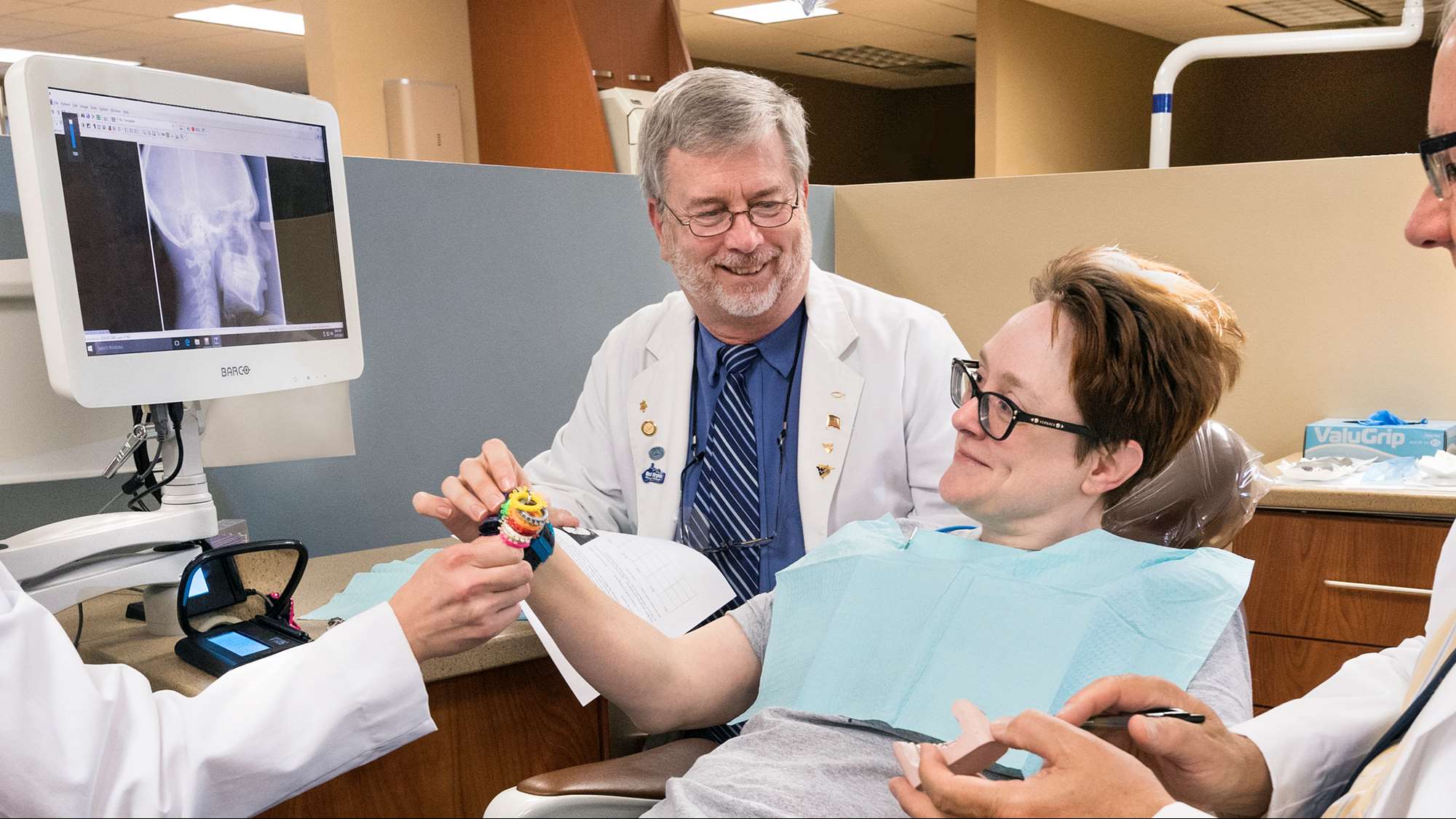
Throughout the orthodontic assessment, the professional performs a preliminary assessment to review the client's facial and oral structure. This procedure commonly includes taking X-rays and imaging to get a complete view of the teeth and jaw alignment. These necessary steps aid the orthodontist establish an efficient therapy strategy customized to the individual's demands.
Preliminary Assessment Process
As the patient gets in the orthodontist's office, the initial evaluation process starts with an in-depth evaluation made to examine the alignment of teeth and the general oral structure. The orthodontist carefully checks the teeth for crowding, spacing, and bite inconsistencies. In addition, they analyze the jaw's position and any type of possible functional issues. The orthodontist may likewise ask about the patient's dental history, including previous therapies and present problems. This comprehensive examination aids in establishing one of the most suitable treatment strategy customized to the patient's specific needs. Establishing a clear understanding of the patient's dental wellness is crucial for effective orthodontic treatment.
X-rays and Imaging
Following the initial analysis, X-rays and imaging play an essential duty in the orthodontic exam. These analysis devices enable the orthodontist to envision the underlying structures of the teeth and jaws, assisting in the recognition of problems not visible during a physical exam. Common imaging strategies consist of scenic X-rays and cephalometric radiographs, which offer extensive views of skeletal and oral connections. This info helps the orthodontist create a customized treatment plan. In addition, electronic scans may be made use of to develop 3D designs of the patient's teeth, boosting treatment accuracy and performance. Generally, these imaging methods are essential for reliable orthodontic care.
Analysis Records and Imaging
Prior to formulating a therapy plan, orthodontists rely upon thorough analysis records and imaging to assess a client's oral health and alignment. This process typically includes getting detailed pictures of the teeth and face, in addition to measurements of the oral arch and bite. Furthermore, orthodontists may use electronic scans or perceptions to develop accurate depictions of the patient's mouth. These diagnostic documents help recognize specific positioning issues and aid in intending effective treatment approaches. By thoroughly analyzing this info, orthodontists can assure a tailored method that resolves individual requirements and advertises optimal end results for every person.
Conversation of Treatment Alternatives
During the discussion of treatment choices, the orthodontist offers various kinds of dental braces and clear aligners customized to the person's needs. Elements affecting therapy period, such as the severity of the case and client compliance, are additionally addressed. This helpful discussion aids establish practical assumptions for the orthodontic trip ahead.
Sorts of Braces
Braces come in various types, each created to resolve details orthodontic her explanation needs and patient preferences. Conventional metal braces are the most typical, using stainless steel braces and cords for effective tooth motion. Ceramic braces provide an extra very discreet choice, utilizing tooth-colored materials that blend with the teeth. Lingual braces are put on the back of the teeth, making them basically unseen (Orthodontics). Self-ligating dental braces streamline the change process, lowering the frequency of visits. For those seeking comfort, clear plastic braces give a much less obvious option. Each kind of brace has one-of-a-kind advantages, enabling orthodontists to tailor therapy to private requirements
Clear Aligners Clarified
Clear aligners represent a modern-day alternative to standard dental braces, appealing to those that focus on appearances and comfort in their orthodontic treatment. These personalized, transparent trays slowly change teeth into the preferred setting, supplying a discreet choice for both adults and teenagers. People generally get a collection of aligners, each worn for regarding 2 weeks before changing to the next in the series. Clear aligners are removable, permitting much easier upkeep of dental hygiene and flexibility throughout dishes. Effective therapy calls for patient compliance in wearing the aligners for the recommended 20 to 22 hours daily to achieve best results.
Treatment Duration Factors
Several elements influence the duration of orthodontic treatment, impacting the length of time patients will require to use their dental braces or aligners. The intricacy of the instance is essential; extreme imbalance usually calls for longer therapy than light instances. Individual age likewise plays a function, as younger individuals may experience faster modification periods. Compliance with the orthodontist's guidelines, consisting of putting on devices as routed, straight influences therapy duration. In addition, the sort of orthodontic gadget-- clear aligners versus standard braces-- can result in variations in time required. Regular follow-up consultations and the body's feedback to therapy more impact the total timeline for accomplishing preferred outcomes.
Answering Your Questions
What should one expect throughout their very first visit to an orthodontist? During this visit, the orthodontist will certainly require time to attend to any inquiries or issues the patient might have. This is an opportunity to obtain clearness on the treatment procedure, including options expected and available end results. The orthodontist motivates patients to inquire about the duration of therapy, prospective discomfort, and treatment instructions. In addition, they may explain the relevance of preserving dental hygiene throughout the orthodontic procedure. Overall, this session intends to guarantee the person feels educated and comfortable moving on with their orthodontic journey.
Following Steps and Arranging Follow-Up Appointments
After the preliminary appointment, the orthodontist will outline the next actions in the therapy process, including the organizing of follow-up consultations. Usually, these consultations will be spaced every four to six weeks, permitting the orthodontist to monitor progress and make needed changes. People will get a treatment strategy describing the period and purposes of their orthodontic journey. It is essential for individuals to abide by the timetable to guarantee perfect results. Furthermore, the orthodontist might give instructions on care and upkeep, which ought to be followed carefully in between sees to advertise efficient therapy and preserve dental health.
Frequently Asked Questions
The Length Of Time Will My First Consultation Typically Last?

Can I Bring a Family Members Member or Buddy for Assistance?
Yes, patients can bring a relative or close friend for support during their appointment - Orthodontic Clinic Cumming Georgia. This can assist relieve anxiety and offer convenience, enabling patients to really feel much more relaxed and participated in their orthodontic assessment
Will I Experience Any Pain During the Assessment?
During the assessment, discomfort is normally minimal. The majority of individuals report mild pressure or level of sensitivity, particularly if changes are required. On the whole, the experience is manageable, and any kind of discomfort normally subsides shortly after the visit ends.
Are There Age Constraints for Starting Orthodontic Treatment?

There are no rigorous age restrictions for starting orthodontic treatment (Orthodontics). Nevertheless, very early evaluations are useful, normally around age 7, enabling timely intervention. Treatment can effectively occur at any type of age, depending upon private oral requirements
What happens if I Have Oral Anxiousness or Anxiety?
People experiencing oral anxiousness or anxiety might take advantage of reviewing their worry about the orthodontist. Several techniques supply relaxing strategies, sedation choices, or helpful atmospheres to assist clients feel more comfortable throughout therapy.
The orthodontist might likewise inquire about the patient's oral background, consisting of current concerns and previous therapies. Prior to formulating a treatment strategy, orthodontists depend on extensive diagnostic records and imaging to analyze a person's oral health and wellness and positioning. During the discussion of therapy choices, the orthodontist provides various kinds of braces and clear aligners customized to the individual's requirements. Patient age also plays a duty, as more youthful clients may experience much faster modification periods. The orthodontist encourages individuals to ask regarding the duration of therapy, prospective discomfort, and treatment directions.